Vallourec advances lower-emission charcoal production in Brazil
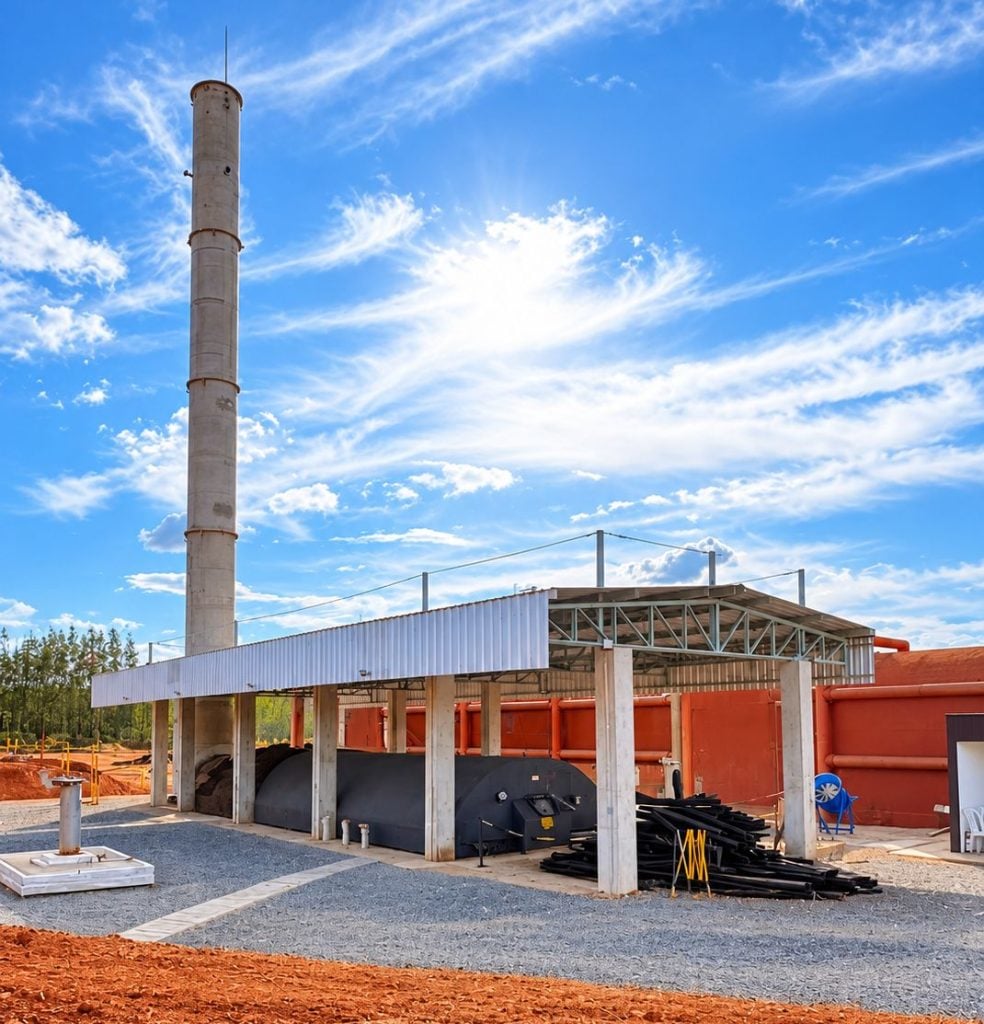
At its forestry operations in Brazil, Vallourec is taking another step toward reducing the environmental impact of charcoal production. A new Central Burner installed at Fazenda Aldeia, in Abaeté, Minas Gerais, treats gases generated during carbonization, cutting methane and carbon monoxide concentrations by up to 99%.
The technology also addresses some of the most visible impacts of charcoal production. By treating gases that would otherwise be released through the furnace chimneys, the system virtually eliminates the smoke and odors associated with the process, improving working conditions at the site while reducing the impact on surrounding communities.
Developed as part of Vallourec’s efforts to reduce emissions from its operations, the project was also shaped through dialogue with the Residents’ Association of the São Sebastião da Aldeia Community and the local Public Prosecutor’s Office.
“The Central Burner represents an important advance for our operations and reinforces Vallourec's commitment to innovation, continuous improvement, and sustainability. We are very proud of the completion of this project, which responds to an operational challenge with concrete and measurable environmental results, demonstrating how technology can contribute to an increasingly efficient and sustainable operation”
Capturing and treating gases at the source
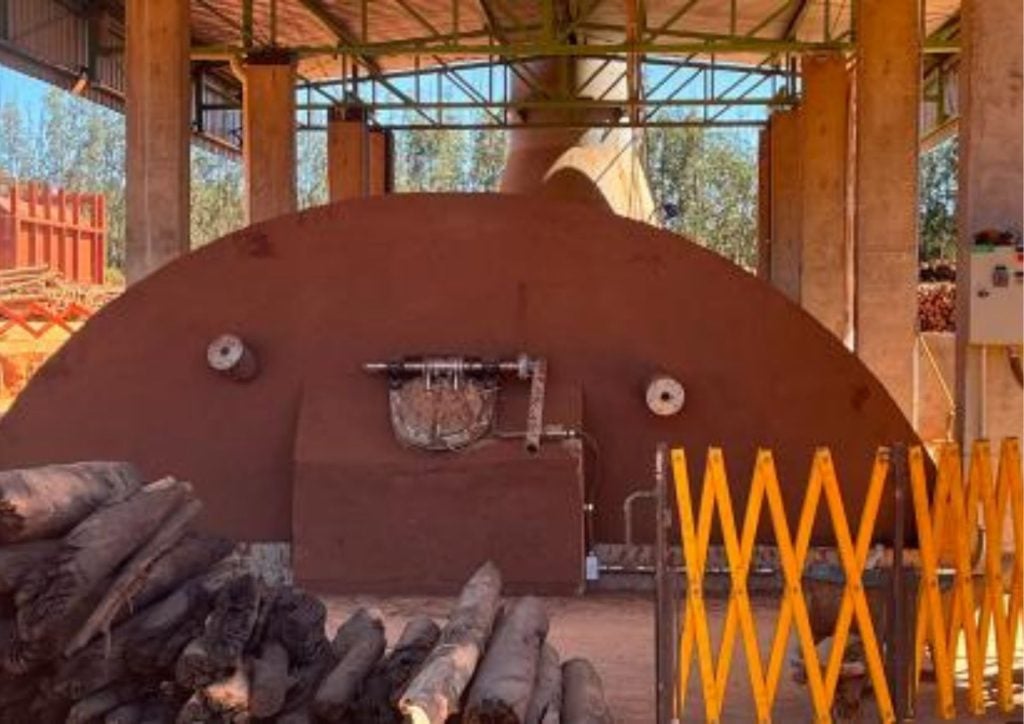
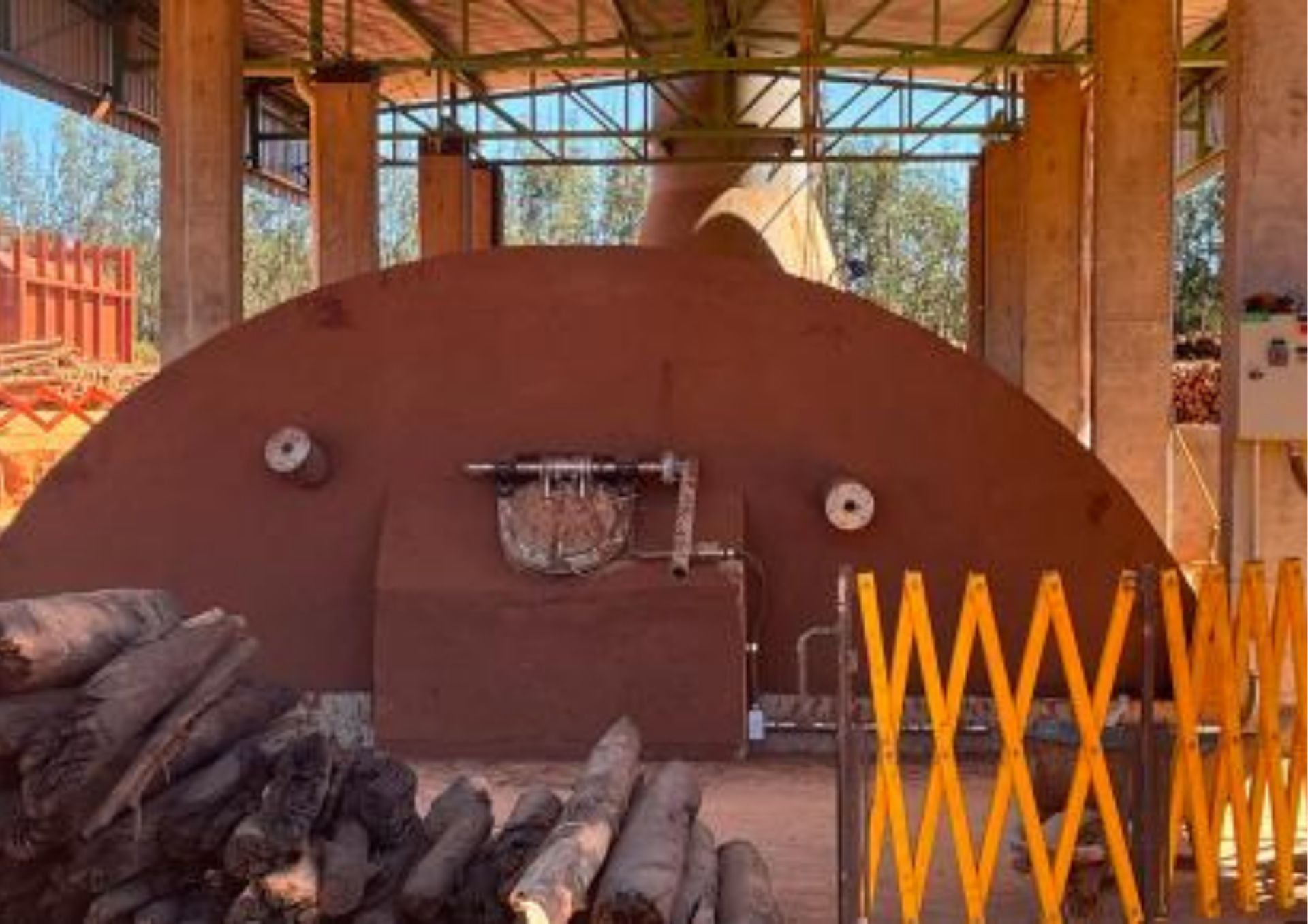
During charcoal production, wood undergoes pyrolysis, generating gases including carbon monoxide (CO) and methane (CH₄). With the new system, the furnace chimneys are connected to a network of approximately 300 meters of ducts that collect these gases and direct them to a central combustion chamber.
There, temperatures of more than 600°C enable the oxidation of the main components present in the smoke. The process is also self-sustaining: the gases generated during carbonization provide the thermal energy needed for combustion, eliminating the need for an external fuel source.
The environmental gains are significant. Measurements after treatment show a 99.98% reduction in carbon monoxide concentrations and a 99.3% reduction in methane concentrations.
“In addition to the significant reduction of these gases, the changes are noticeable in the day-to-day operation. The gas previously generated in the carbonization process is no longer emitted from the furnace chimneys, and the odors associated with the activity are eliminated. At the burner outlet, what is observed is essentially the emission of hot air,” explains Marcelo Fontan, Project Manager.
Engineering with measurable impact
The Central Burner brings together a range of engineering solutions designed to safely collect, treat and release the gases generated during carbonization. Its infrastructure includes structural ducts, thermal insulation and a 30-meter-high metal chimney that ensures the proper flow of gases through the system.
Beyond the technology itself, the project shows how engineering can help address environmental challenges with tangible, measurable results. By drastically reducing emissions while eliminating visible smoke and odors, Vallourec is making its charcoal production process more efficient and reducing its impact on the people and communities around its operations.
“The implementation of the Central Burner is an example of how innovation, engineering, and dialogue can be combined to generate concrete environmental and social gains where the company operates,” concludes Fontan.