How Next-Generation Geothermal Is Redefining Clean Baseload Power
Next-Generation Geothermal systems are transforming geothermal energy from a location‑dependent resource into a scalable source of continuous, low‑carbon power. This in-depth article outlines how these systems work and Vallourec’s role in enabling them.
From Location‑Bound to Scalable Energy
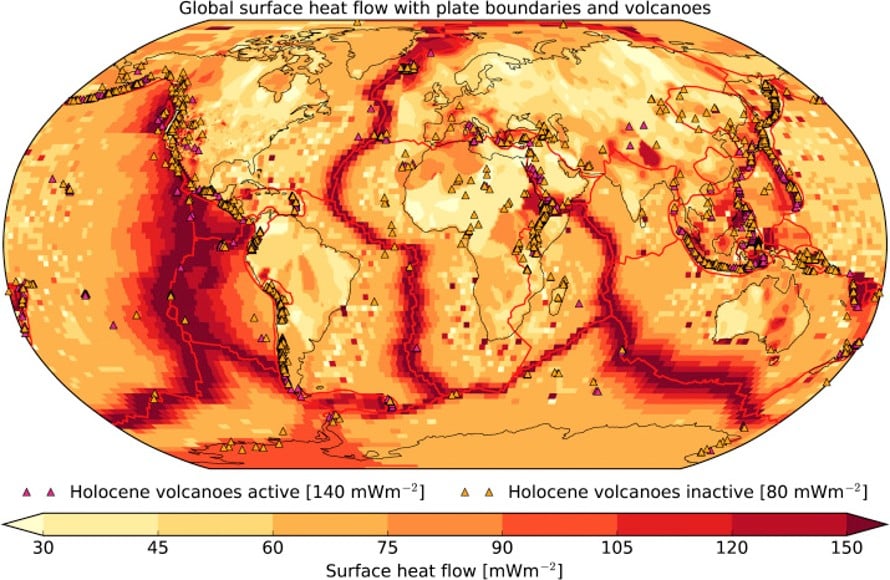
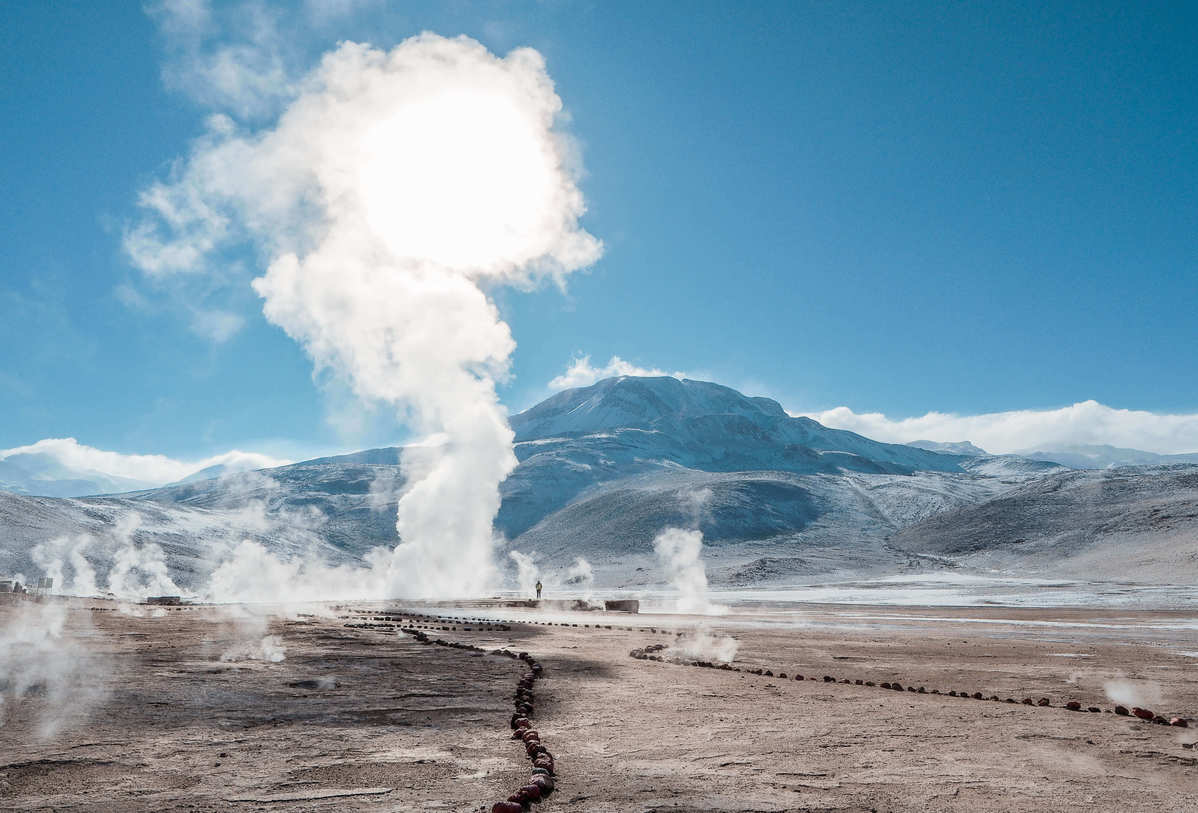
Geothermal energy is the use of the heat naturally stored beneath the Earth’s surface. At the core of the planet, temperatures exceed 5,000 °C, and nearly 99% of the Earth’s volume has temperatures above 1,000 °C. This heat is continuously regenerated, making geothermal energy a renewable resource on human time scales. Despite this immense potential, geothermal energy today accounts for less than 1% of the global energy mix. Our ability to access this heat remains limited to a very small fraction of the Earth’s crust, which is around 30 kilometers thick. With current drilling technologies, geothermal developments typically reach depths of only a few kilometers.
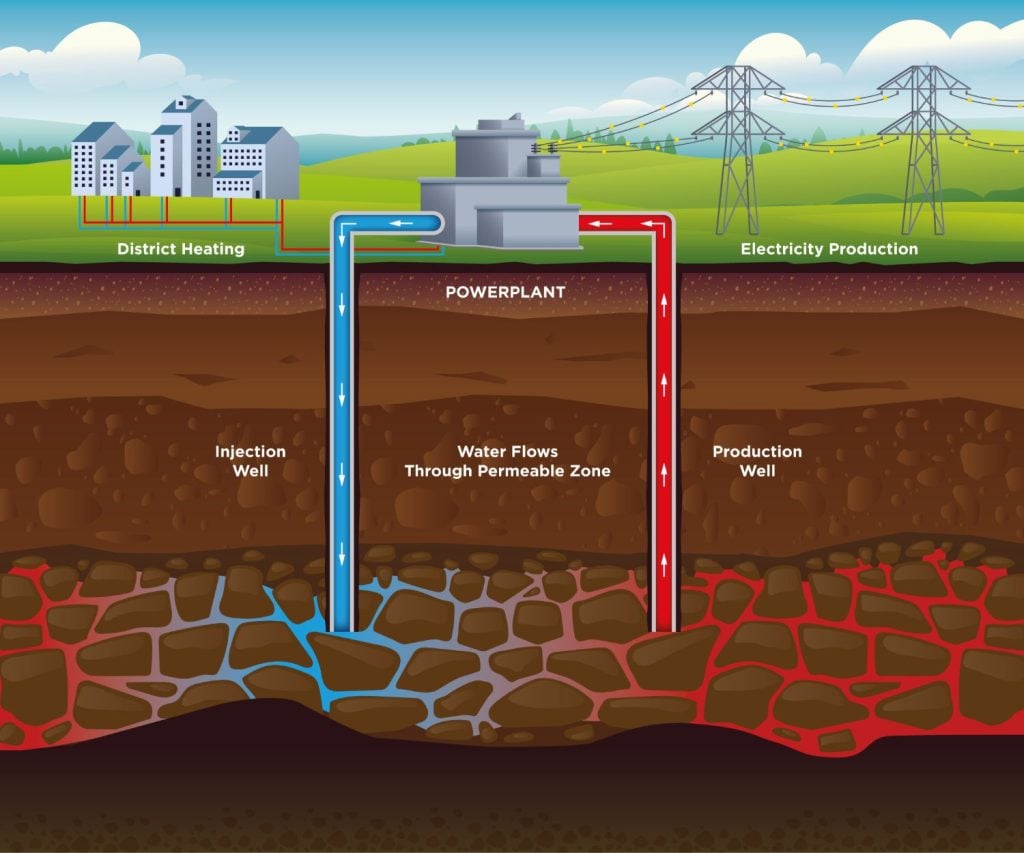
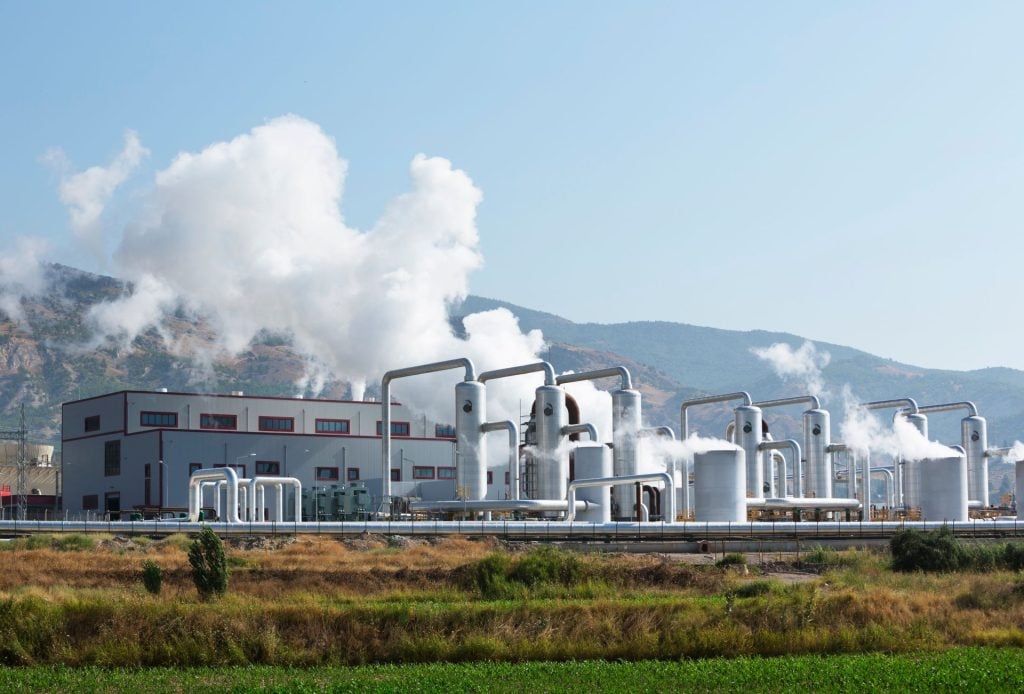
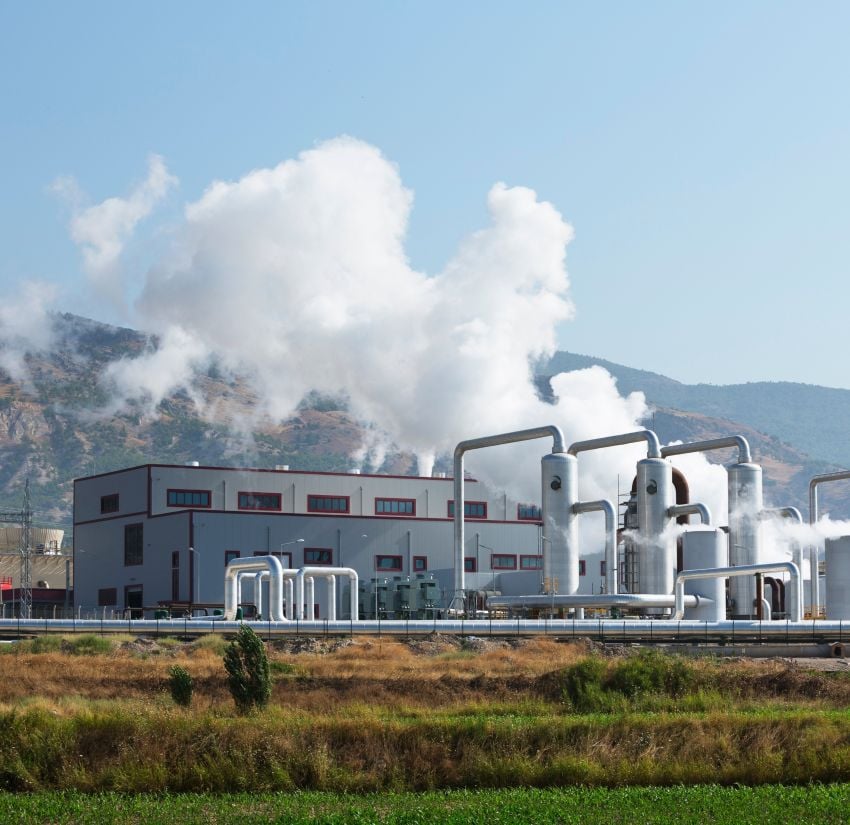
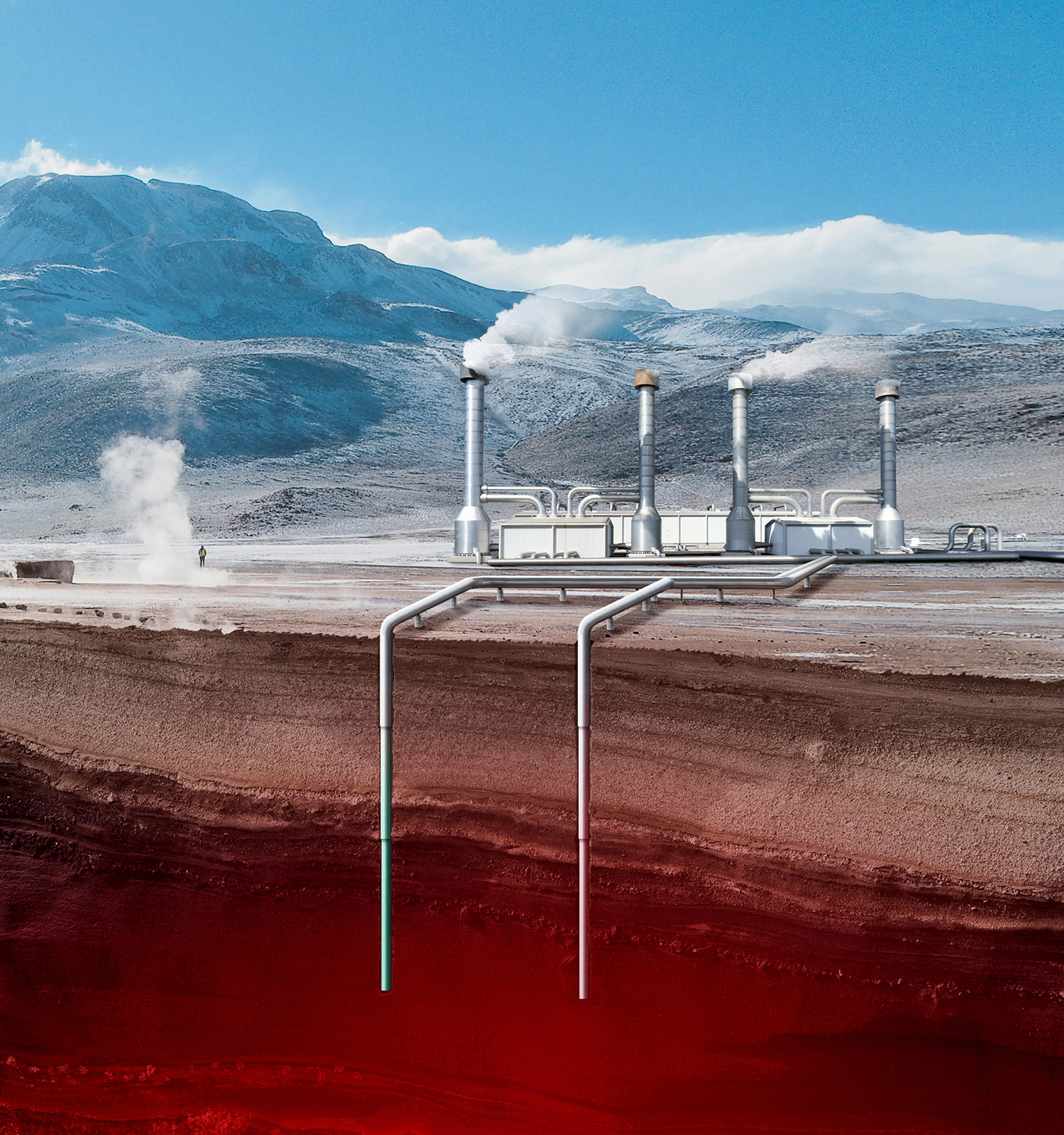
As a general rule, temperature increases with depth at an average rate of about 3 °C per 100 meters drilled. However, this thermal gradient varies significantly depending on geological and geographic conditions, reaching up to 13.5 °C per 100 meters in geologically active regions such as Iceland. Conventional geothermal systems take advantage of regions where this heat is naturally accessible, thanks to permeable rock formations filled with hot brine. In these hydrothermal systems, a production well brings hot fluid to the surface to generate electricity or heat, while an injection well returns the cooled fluid back underground, ensuring reservoir sustainability. Where geological conditions are favorable, conventional geothermal provides heat for district heating or delivers highly reliable, continuous baseload energy. In some cases, it can also enable the co production of lithium from the geothermal brines.
For more than thirty years, Vallourec has been a long-standing partner of the hydrothermal geothermal industry, supplying the structural backbone of geothermal wells through casing and premium connections. Drawing on its deep expertise in metallurgy and for premium seamless tubular solutions, Vallourec has supported geothermal operators worldwide with products engineered to withstand high temperatures, corrosive environments, and extended service lives often exceeding twenty-five years. Vallourec’s connections, steel grades, and well designs have been continuously adapted to geothermal-specific challenges such as thermal cycling, collapse resistance, and long-term integrity, positioning the Group as a trusted supplier for conventional geothermal projects as well as more demanding applications.
Despite its proven performance, conventional geothermal remains constrained by geology, as it depends on naturally permeable and water-bearing reservoirs. The emergence of Next-Generation Geothermal systems marks a turning point by enabling geothermal development beyond these traditional limits through engineered subsurface solutions.
The Drivers Behind Geothermal’s Acceleration
Geothermal energy is now entering a phase of renewed momentum driven by technological progress and evolving energy needs. Advances in drilling techniques, well architecture, and subsurface engineering have significantly reduced development risks and costs. According to international energy outlooks, geothermal production costs could fall sharply over the next decade1, while the world’s geothermal potential could exceed 800 GW by 2050, compared with 15 GW today2. This trend is further reinforced by the rapidly growing electricity demand from data centers, driven by cloud computing and artificial intelligence.
Data centers require a continuous, stable, and locally available power supply, combined with strong decarbonization credentials. Geothermal energy is uniquely positioned to meet these requirements, as it delivers round-the-clock electricity with very high availability and a low carbon footprint. An optimistic projection sets two-thirds of data center electricity demand by 2030 being covered by geothermal energy3 .
In the United States, several technology companies have already committed to long-term geothermal power purchase agreements, signaling a structural shift in how digital infrastructure will be powered. As a result, geothermal is transitioning from a niche renewable technology to a strategic component of future energy systems, with Next-Generation Geothermal acting as the main catalyst for large-scale deployment.
1. The IEA report “The Future of Geothermal Energy” (December 2024), estimates that geothermal production costs could fall by 80% by 2035, to $50 per megawatt-hour.
2. IEA’s long-term projections
3. Report published by independent research firm Rhodium in March 2025, since taken up by all promoters of deep geothermal energy.
Beyond Natural Permeability: Understanding Next-Generation Geothermal
Next-Generation Geothermal refers to a new family of technologies designed to overcome the geological limitations of conventional geothermal. Instead of relying solely on natural permeability and fluid circulation, these systems engineer either the subsurface reservoir or the heat exchange process to maximize the harvested geothermal energy in a predictable and scalable manner. Two main approaches are driving this evolution: Enhanced Geothermal Systems (EGS) and Advanced Geothermal Systems (AGS).
Enhanced Geothermal Systems (EGS) Explained
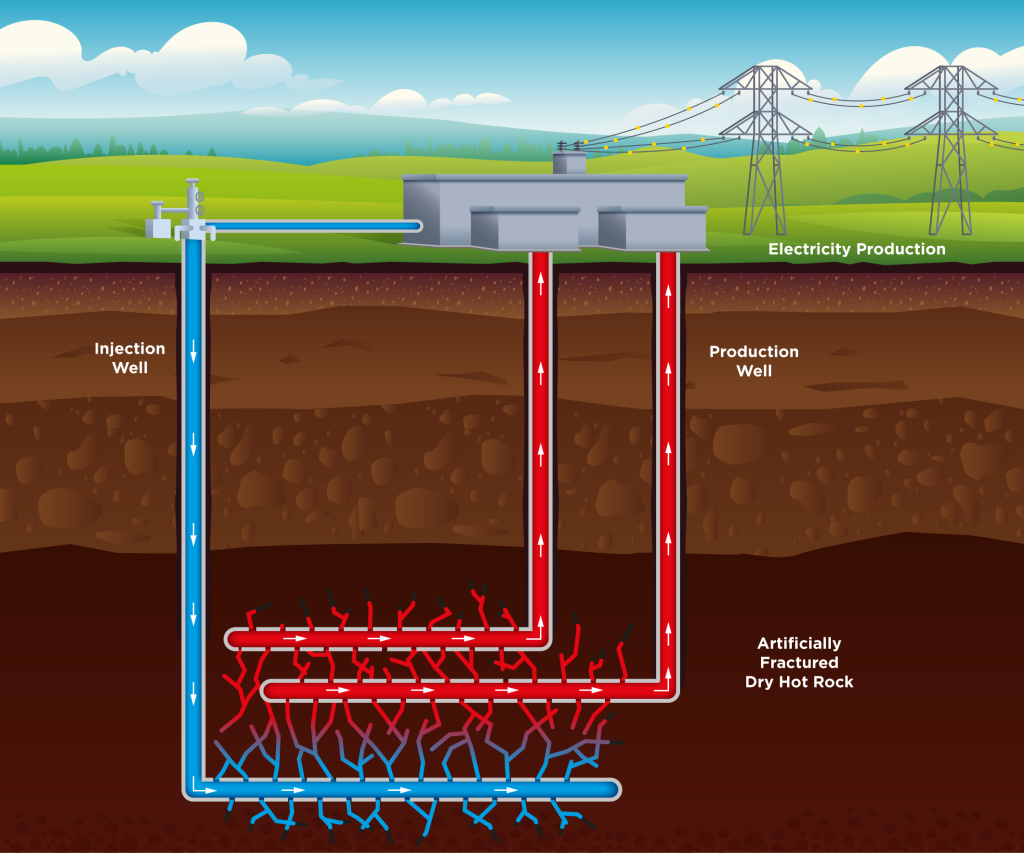
Enhanced Geothermal Systems operate by creating permeability in hot rock formations that initially lack sufficient natural fluid pathways. This is achieved through controlled stimulation techniques that generate artificial fracture networks, allowing fluid to circulate between wells and recover heat from deep formations. Once stimulation is completed, fluid can circulate efficiently, making it possible to generate electricity in areas previously unsuitable for geothermal development. These subsurface engineering technologies are largely derived from the fracking techniques originally developed in the shale gas industry.
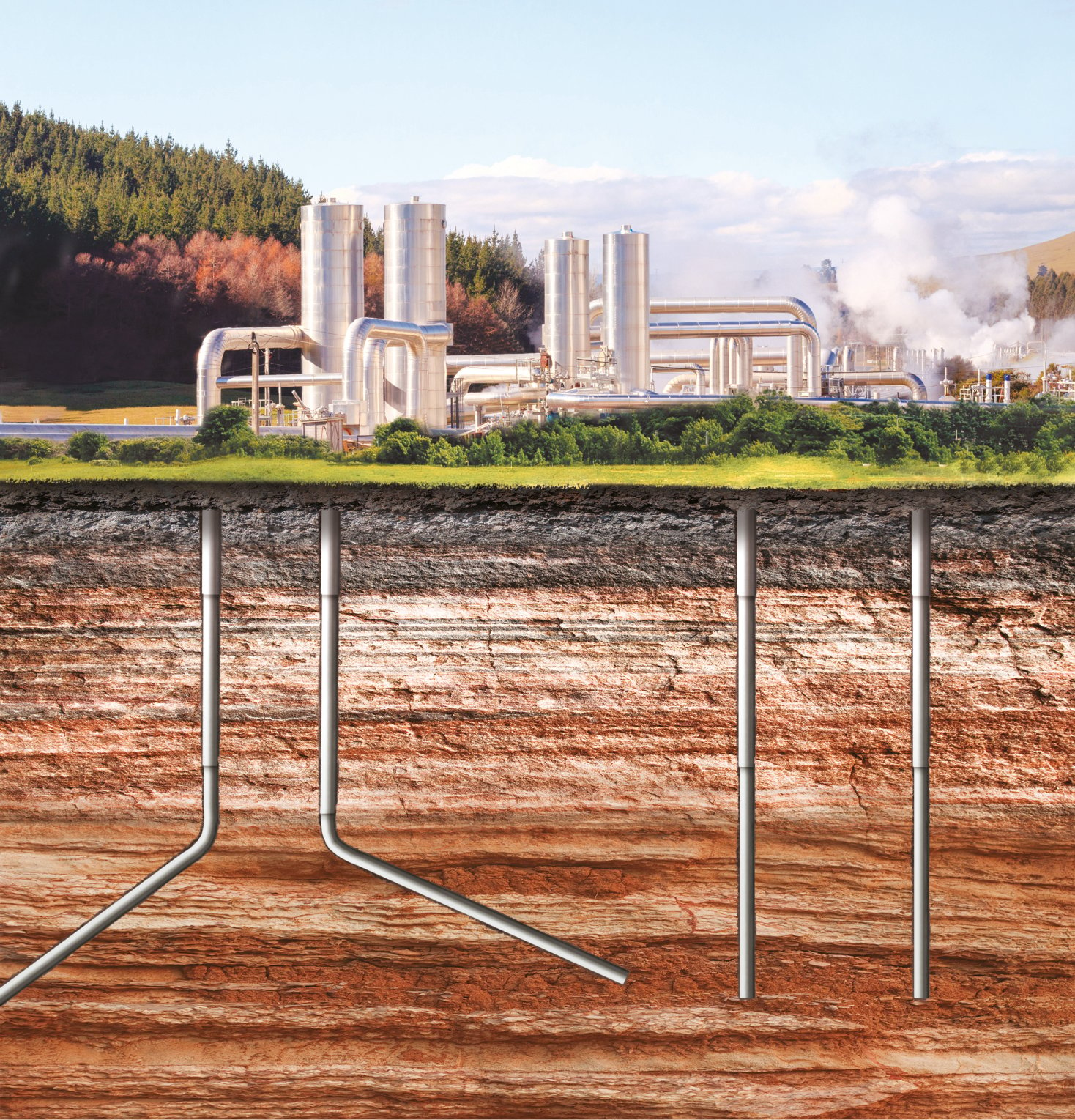
Compared with conventional geothermal wells, EGS wells are often deviated, and exposed to much higher mechanical loads. During stimulation, they must withstand very high internal pressures, sustain large flow rates, and endure repeated thermal cycles over their entire operating life.
These conditions place extreme demands on casing and connections, making well integrity a critical success factor.
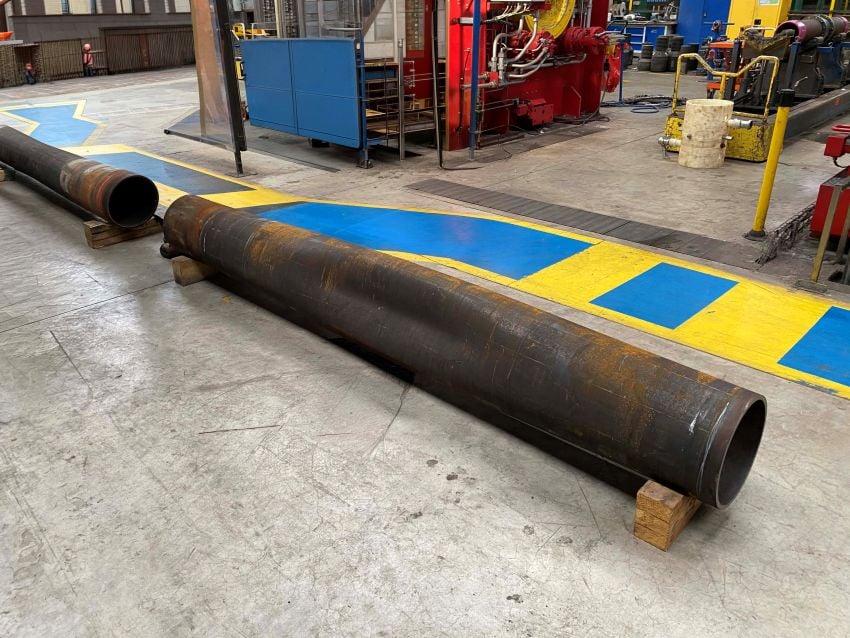
Vallourec supports EGS projects by delivering tubular solutions specifically engineered for these combined challenges. Its portfolio includes casing capable of sustaining fracking loads, high-collapse and high-burst steel grades, and premium VAM® connections with high torque for stimulation conditions and qualified for geothermal temperatures up to 350°C. In addition to supplying products, Vallourec contributes to well engineering, drilling efficiency optimization for multi-well programs, and operational support to reduce running times and improve field execution.
Supporting EGS at Scale: The Fervo Collaboration
A flagship reference for EGS is Vallourec’s collaboration with Fervo Energy in the United States. Fervo is developing large-scale EGS projects designed to deliver industrialized geothermal power. Wells will be drilled to depths of more than 4 kilometers and operate at bottom-hole temperatures exceeding 230 degrees Celsius. These wells will undergo dozens of high-pressure fracking cycles and are designed for high flow rates, enabling power outputs of approximately 5 to 10 megawatts (MW) per well. Vallourec will supply premium casing and VAM® connections engineered to withstand fracking pressures of up to around 10,000 psi, high temperatures, and long-term thermal cycling, while also supporting drilling efficiency across Fervo’s multi-well developments.
This collaboration has been formalized through a five-year long-term supply agreement under which Vallourec serves as Fervo’s exclusive supplier of U.S.-manufactured tubular solutions and VAM® connections. To achieve their goal of electricity production, Fervo will need to drill 340 wells, each requiring 700 to 800 tons of casing. The agreement represents up to 800 million dollars in potential revenue for Vallourec over its duration and establishes a fully domestic supply chain for next-generation geothermal infrastructure.
Advanced Geothermal Systems (AGS) Explained
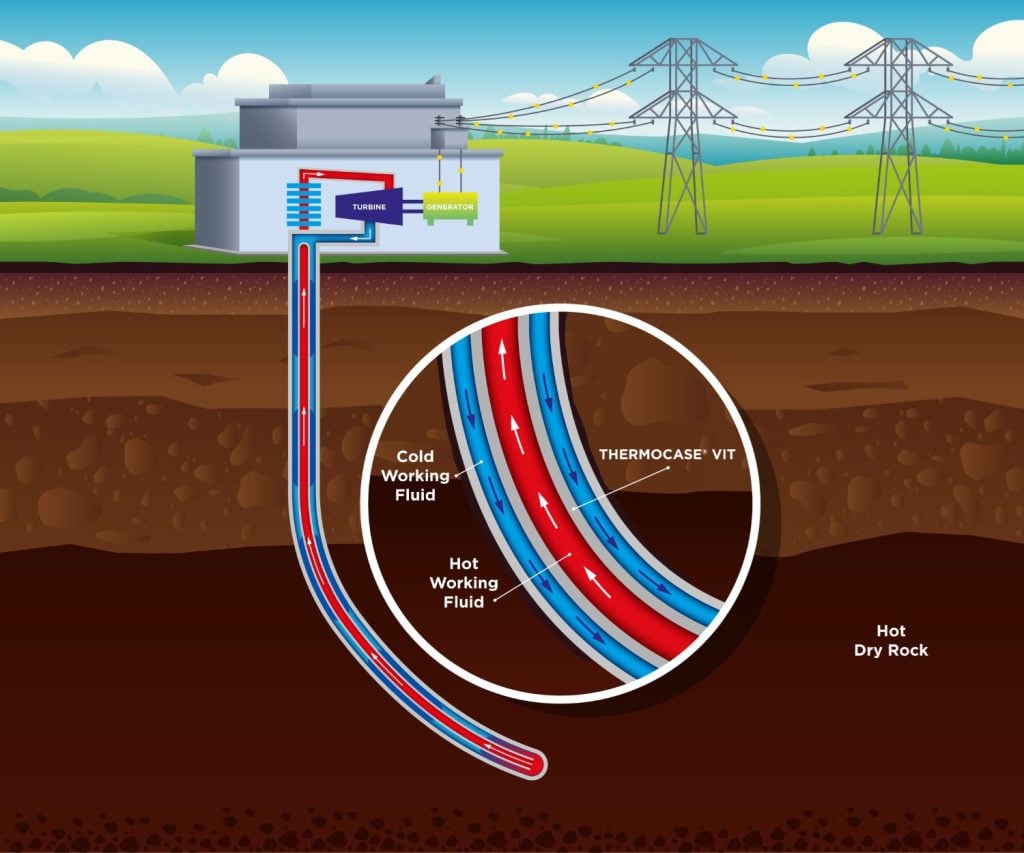
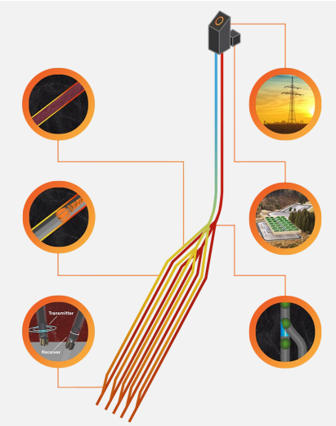
Advanced Geothermal Systems represent a fundamentally different approach to geothermal energy. Instead of circulating fluids through fractured rock, AGS systems use sealed, closed-loop well architectures in which a working fluid circulates inside pipes embedded in hot rock. Heat is transferred by conduction from the formation to the fluid, which then returns to the surface. Because these systems do not require natural permeability or groundwater, they significantly reduce geological uncertainty and water dependency, expanding the range of viable geothermal locations.
Within AGS, monobore well designs are gaining momentum. In such configurations, thermal efficiency becomes the key determinant of performance, therefore having a direct impact on power output.
THERMOCASE® VIT (Vacuum Insulated Tubing) plays a central role in enabling efficient monobore closed-loop geothermal systems. This double-wall tubing, insulated by a vacuum layer, minimizes heat losses along the wellbore and preserves thermal energy as the working fluid returns to the surface. Originally developed more than twenty-five years ago for demanding oil and gas applications, THERMOCASE® VIT benefits from a long field-proven track record and has been successfully adapted to geothermal use.
Vallourec works closely with AGS developers to design and optimize THERMOCASE® VIT configurations tailored to geothermal operating conditions, helping maximize well output, ensure long-term performance stability, and support scalable deployment models.
AGS for Data‑Center‑Driven Power Demand: The XGS Energy Case Study
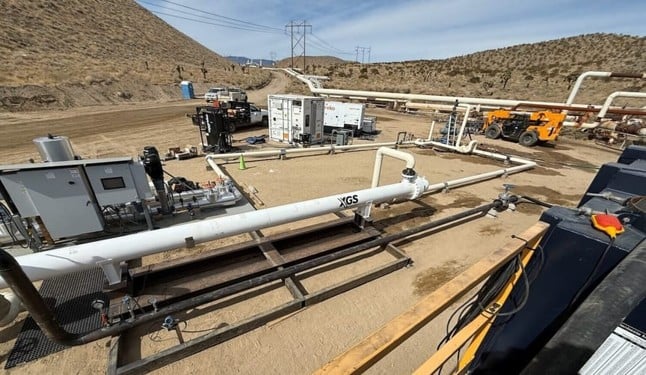
XGS Energy illustrates how Advanced Geothermal Systems can be deployed at scale using closed-loop technology. XGS is developing water-independent, solid-state geothermal systems designed for large commercial projects, particularly in the western United States. In its pilot and early commercial wells, monobore closed-loop systems equipped with THERMOCASE® VIT have demonstrated stable operations over several thousand hours.
Vallourec will supply its THERMOCASE® VIT and provide engineering support to optimize thermal performance and flow conditions during the company’s next development phases. This collaboration plays a key role in enabling XGS Energy to deliver geothermal electricity directly to the grid, supporting data center demand and illustrating the relevance of AGS technologies for future baseload energy needs.
Beyond Monobore: Alternative AGS Architectures
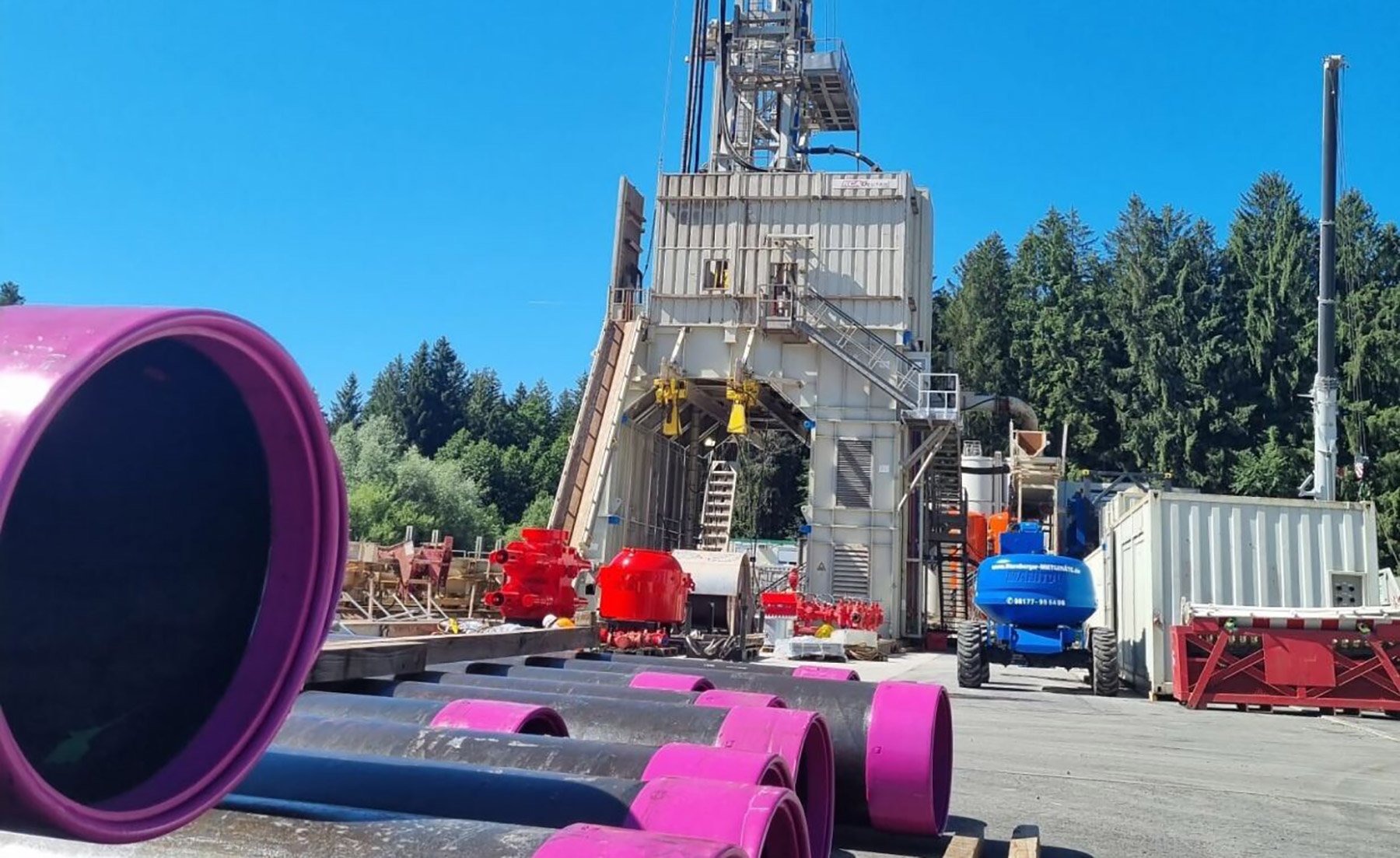
Advanced Geothermal Systems also include alternative closed-loop architectures such as the radiator-style systems developed by Eavor called the EavorLoopTM. This technology relies on interconnected deep wells drilled laterally to form a closed-loop heat exchanger in hot rock. In southern Germany, Eavor is deploying this system in an urban environment, with wells reaching depths of approximately 4.6 kilometers and operating temperatures around 175 degrees Celsius, designed for a service life of thirty years. Vallourec supports this project by supplying high-collapse casing and premium VAM® connections adapted to deep drilling and long-term geothermal operation. The Group also provides tubular management services tailored to the specific constraints of urban geothermal development.
Well Integrity at the Center of Geothermal Scale‑Up
Across conventional geothermal, Enhanced Geothermal Systems, and Advanced Geothermal Systems, Vallourec remains at the forefront of next‑generation geothermal projects through its New Energies division. By delivering premium tubular solutions designed for extreme thermal, mechanical, and operational conditions, and by supporting customers throughout the entire well lifecycle, Vallourec plays a key role in enabling geothermal energy to evolve from a location‑dependent resource into a scalable and reliable pillar of the low‑carbon energy system.
This role is becoming increasingly critical as investment in next‑generation geothermal accelerates rapidly. According to the International Energy Agency, investment in these technologies has increased more than fivefold since 2022, driven by rising demand for firm, carbon‑free baseload power to support electrification and the expansion of energy‑intensive infrastructure such as data centers. Vallourec has experienced this momentum directly, with bookings for geothermal products increasing more than threefold in 2025 compared with the prior two‑year average, reflecting the growing scale and maturity of the market.
Anchored in this momentum, Vallourec’s ambition is to continue expanding its New Energies activities and to achieve between 10% and 15% of its EBITDA from this business by 2030, confirming well integrity as a strategic lever in the energy transformation.