Improving Geothermal Well Integrity at High Temperatures through Collapse Solutions
Renewable power generated by high‑temperature geothermal energy is rapidly becoming a powerful engine of the global energy transformation. As operators push deeper into hotter reservoirs—often exceeding 250°C—the potential for energy production increases dramatically. Yet with these opportunities comes heightened complexity, as extreme temperatures place significant mechanical and structural loads on the well. Ensuring long‑term well integrity in such conditions has therefore become a central challenge for geothermal developers.
To address this challenge, Vallourec has conducted the industry’s first physical casing collapse tests at elevated temperature, generating long awaited, validated data on tubular performance under real geothermal operating conditions. These results mark a major milestone for geothermal well design and provide operators with new confidence in material selection for high temperature environments.
Casing Collapse: A Real Risk in High‑Temperature Geothermal Projects
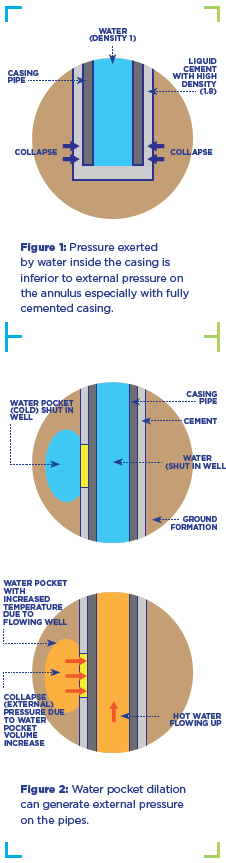
One of the most critical integrity concerns in high temperature wells is casing collapse. Documented cases in geothermal regions such as Iceland and Indonesia highlight how wells can fail when exposed to high thermal loads. These collapses often stem from inadequate cementing or shallow pockets of water that generate unexpected pressure surges during operation. When a casing collapses, the internal flow path narrows drastically, thus reducing the heat output which impacts project profitability, leading operators to potentially abandon the well entirely. This makes collapse prevention not only a safety consideration, but a strategic necessity for long term field development economics.
Despite the demanding environment, many geothermal wells are still designed using standard grades such as K55 or L80, materials originally intended for far less stringent conditions. Historically, the industry relied solely on theoretical modeling to predict how these pipes would behave at high temperatures, as no physical collapse tests had ever been conducted at elevated temperature. This left operators without reliable, validated data at the well design stage when it is most needed.
Industry First: Collapse Testing at Elevated Temperature
Recognizing this critical gap, Vallourec has dedicated significant R&D resources to developing and validating solutions specifically suited for high‑temperature geothermal applications. These efforts build on Vallourec’s decades‑long experience with high‑collapse grades, which feature improved geometry control, optimized residual stresses, and superior mechanical properties engineered to deliver up to 40% greater collapse resistance than standard API pipe. Initially deployed in the most demanding oil and gas environments, these advanced materials are now shaping the future of geothermal well design.
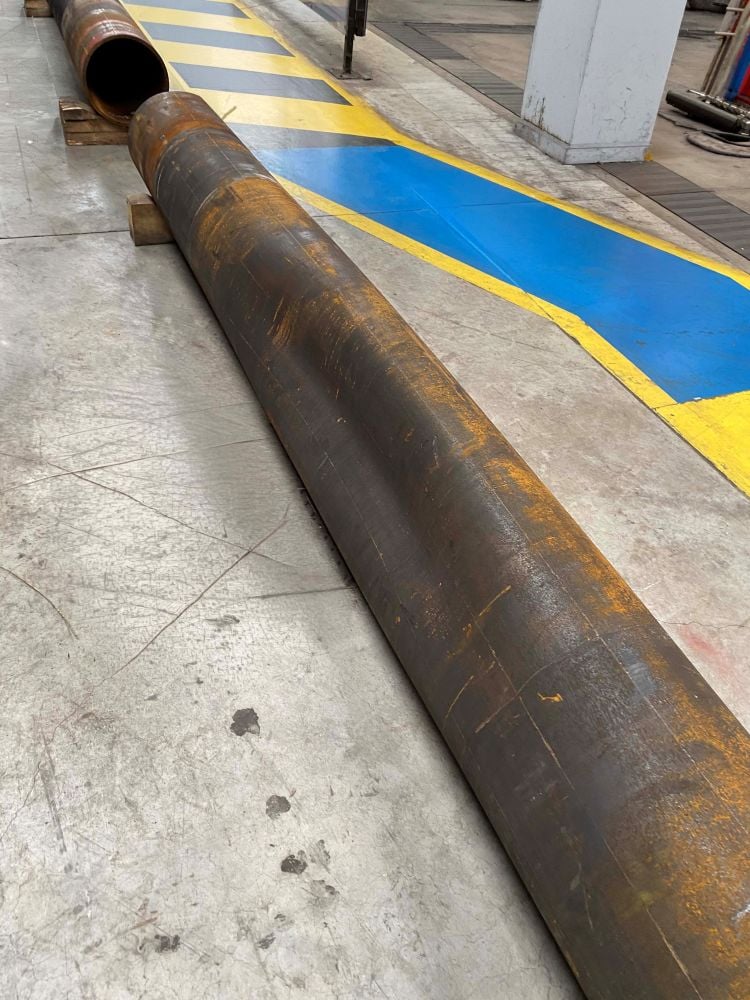
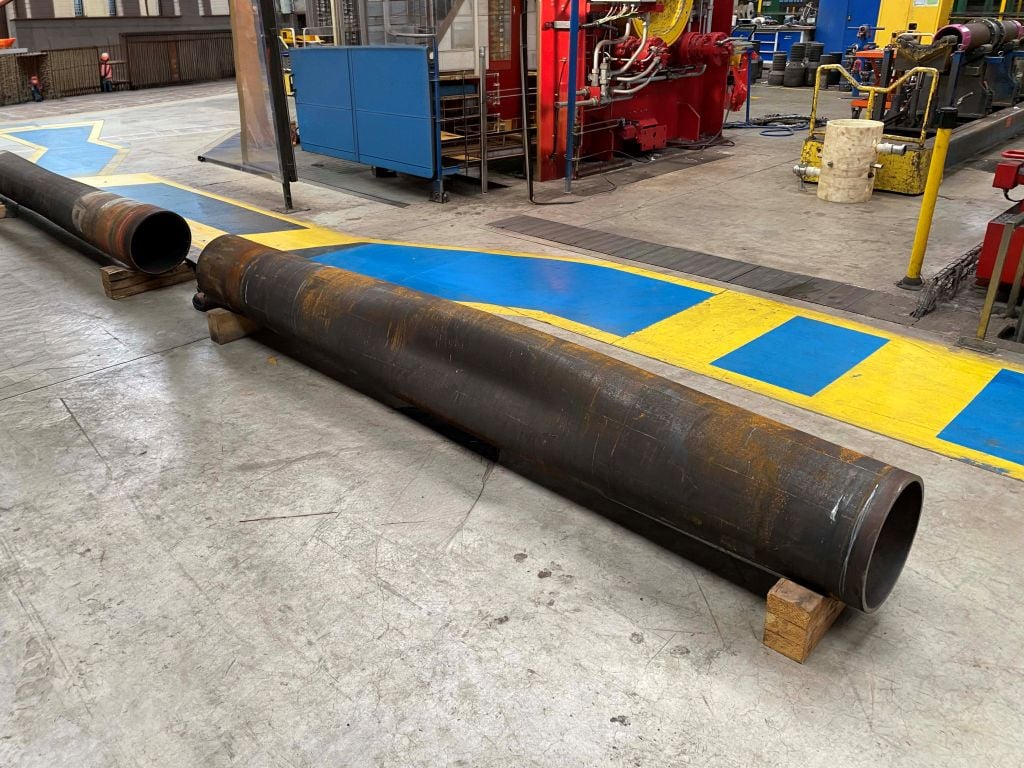
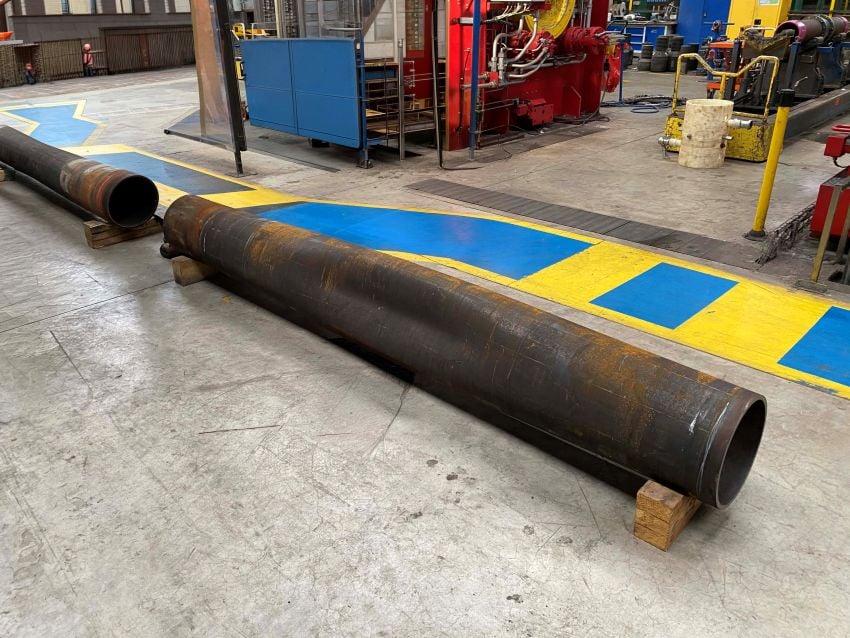
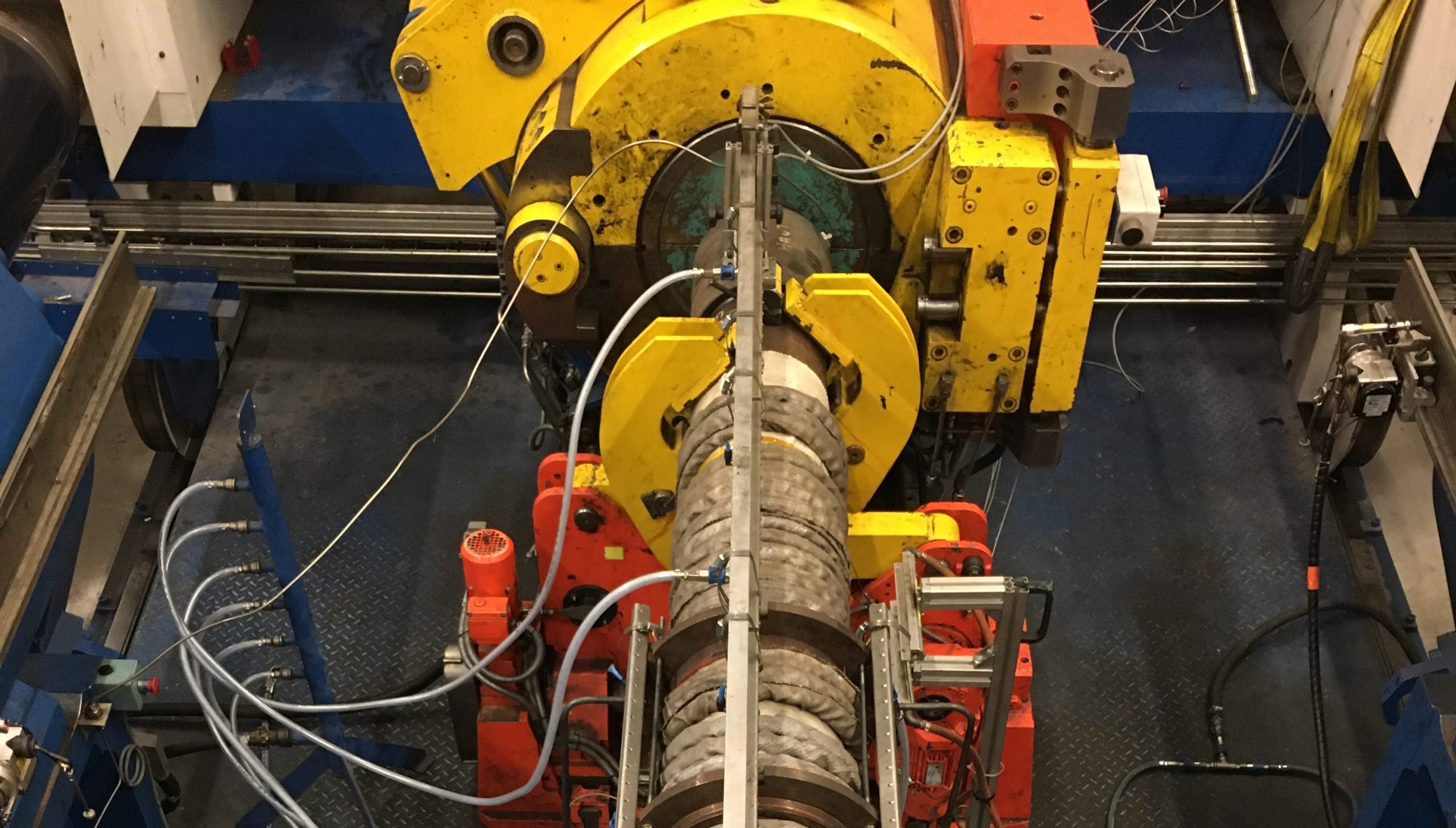
A major breakthrough was achieved when Vallourec conducted the industry’s first physical casing collapse tests at elevated temperature. Fifteen joints of 13 3/8″ 72.00# casing in proprietary VM80HC steel grade — one of the most common production casing sizes in geothermal wells—were tested, including high static testing at 250°C. The results closely aligned with Vallourec’s theoretical models, providing operators with the first validated high‑temperature collapse data ever generated. The significantly higher collapse resistance of VM80HC compared to L80 or K55 marks a clear turning point, giving operators new confidence in selecting materials that can withstand extreme operating conditions and ensure the reliability of their installations.
Advanced Testing Capabilities Supporting High‑Temperature Performance
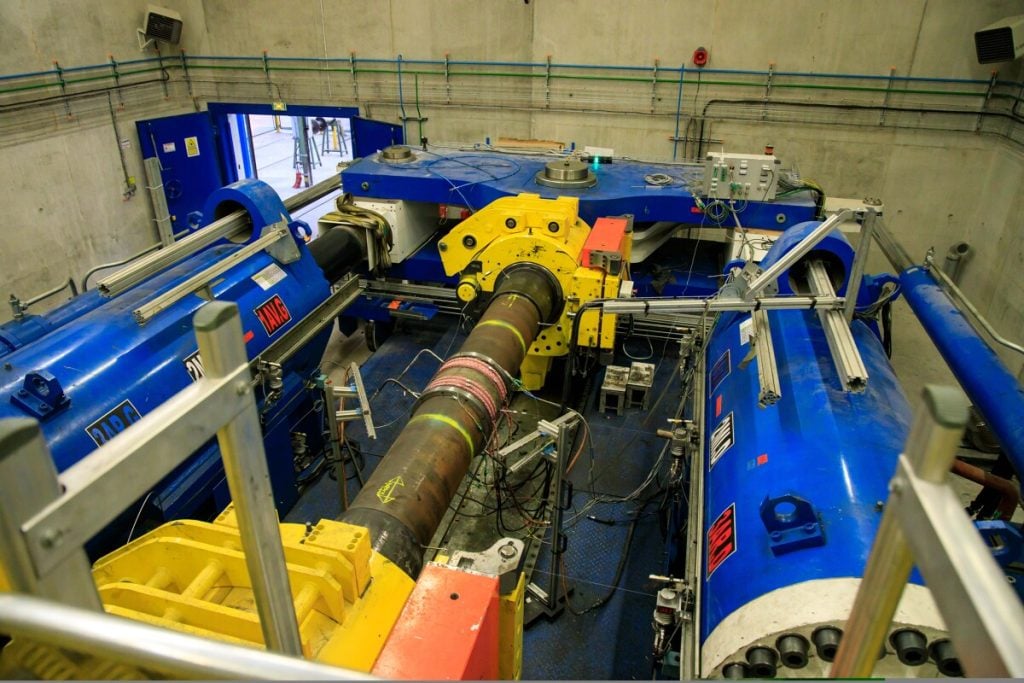
Conducting out these high‑temperature tests required Vallourec’s Aulnoye-Aymeries Research Center in northern France to invest in new testing capabilities and develop a dedicated fit-for-purpose methodology. The new process included accurate heating control, combined with precise pressure and load monitoring, in order to safely conduct collapse rating evaluations at ultra‑high temperatures.
Beyond validating a single steel grade, this unique test setup reinforces Vallourec’s broader high temperature solution offering. Alongside high collapse tubulars, VAM® 21 premium connections (1) qualified to 350°C, and extensive material evaluations up to 500°C (2), the newly proven collapse at temperature performance provides operators with a coherent, end to end solution set. This integrated approach means that from well design to long term production, Vallourec can support geothermal projects with the most comprehensive and physically validated high temperature tubular offering on the market.
Higher Value for Geothermal Operators
For geothermal developers, these advancements bring immediate value. With data-proven collapse ratings, well designs can now be optimized with far greater confidence. High Collapse materials such as VM80HC significantly reduce the risk of casing failure. By extending well service life and enabling the safe development of hotter and deeper resources, these proprietary steel grades contribute directly to improved geothermal project profitability.
In a sector where a single failure can threaten project economics, this reliability represents a major competitive advantage. Vallourec will publish detailed findings from this first‑of‑its‑kind test campaign in an upcoming geothermal industry conference paper.
Vallourec will continue to push technical boundaries through expanded testing of additional casing sizes under higher-temperature conditions. Vallourec’s casing and mechanical experts are also eager to continue conversations with operators, exchange insights, and further strengthen the technical foundations needed to advance geothermal energy safely and sustainably.
(1) Over the past years, the company has qualified its VAM® 21 premium connection for use up to 350°C in accordance with TWCCEP/ISO 12835. Read more: Vallourec successfully qualifies VAM® 21 connections for geothermal applications up to 350°C – Vallourec
(2) Vallourec has evaluated key casing steels such as L80, P110 and T95 up to 500°C:
SPE-230271-MS: Premium Connection Evaluation For Thermal Wells up to 350°C Using Enhanced Material Law and Physical Tests (2025 – Mauger and al.)
SPE-223067-MS: A New Approach for Material Characterization to Predict Casing Behavior for High Temperature Geothermal Applications (2024 – Desdoit and al.)